

Introduction
The beneficial effects of resistance training on muscular strength, power, and hypertrophy are well documented (Suchomel, Nimphius & Stone, 2016). Monitoring interventions seems important to achieve desired physiological adaptations. Given that, most common form of determining training intensity is percentage-based on estimated 1RM (repetition maximum). The problem of the method itself lies in the reliability of the maximal strength due to periodic biological fluctuations. Consequently, coaches are encouraged to lean towards more objective forms of training evaluation and monitoring practices such as Velocity – Based Training (VBT).
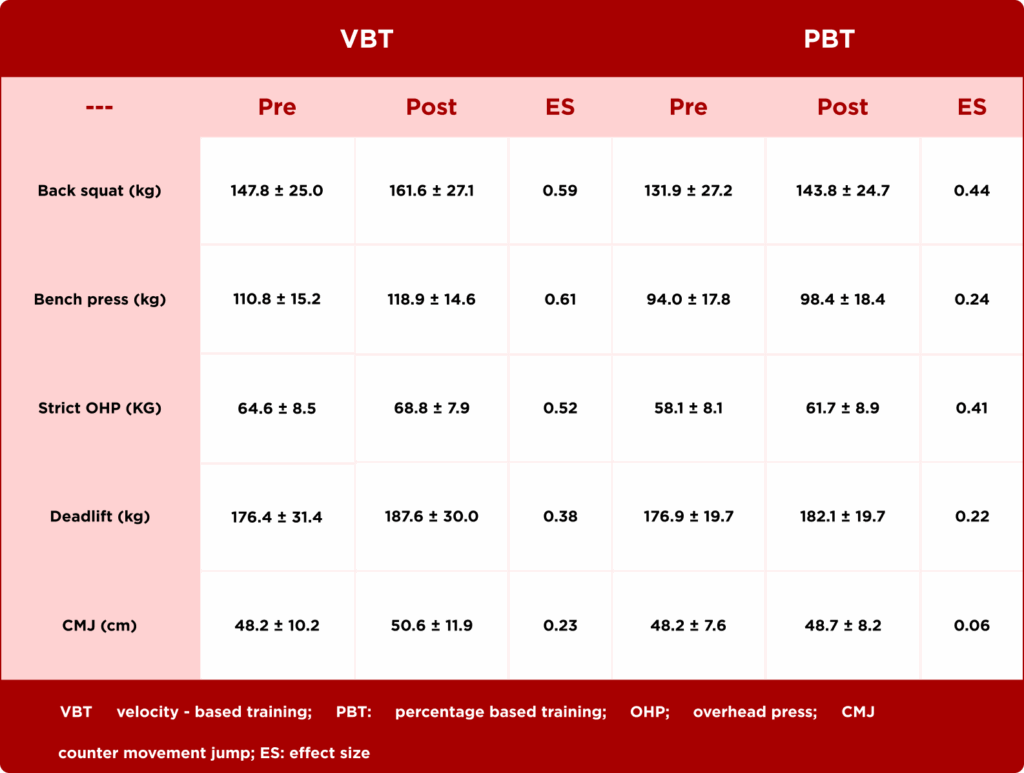
What is Velocity – Based Training (VBT)?
Weakley et al. (2021) defined VBT as a method that uses movement velocity to inform or enhance training practice. Simply explained, it refers to the use of various devices to monitor the training response and allows for objective assessment of the neuromuscular fatigue (González-Badillo & Sánchez-Medina, 2010). Research highlights the benefits of using barbell velocity as a visual or verbal feedback on long-term athlete’s physical development (Weakley et al., 2023).
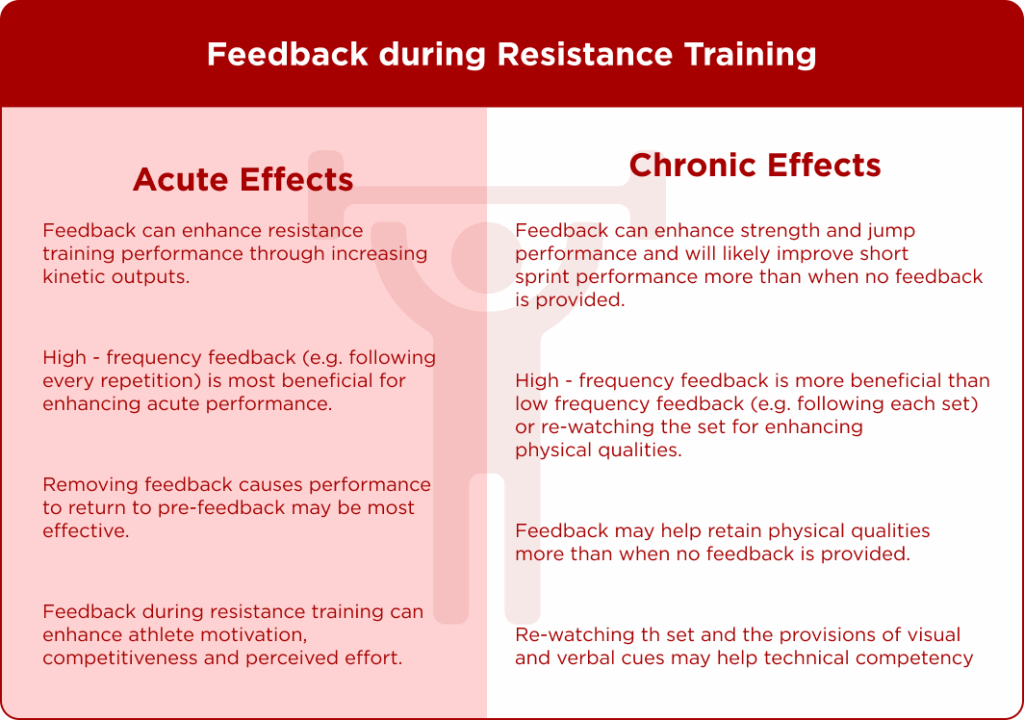
Also, it was found that providing augmented feedback and controlling velocity loss in the exercise may prevent a shift from fast-twitch to slow-twitch muscle fibers which is really important factor for sport performance. (Rodriguez – Rossel, 2018).
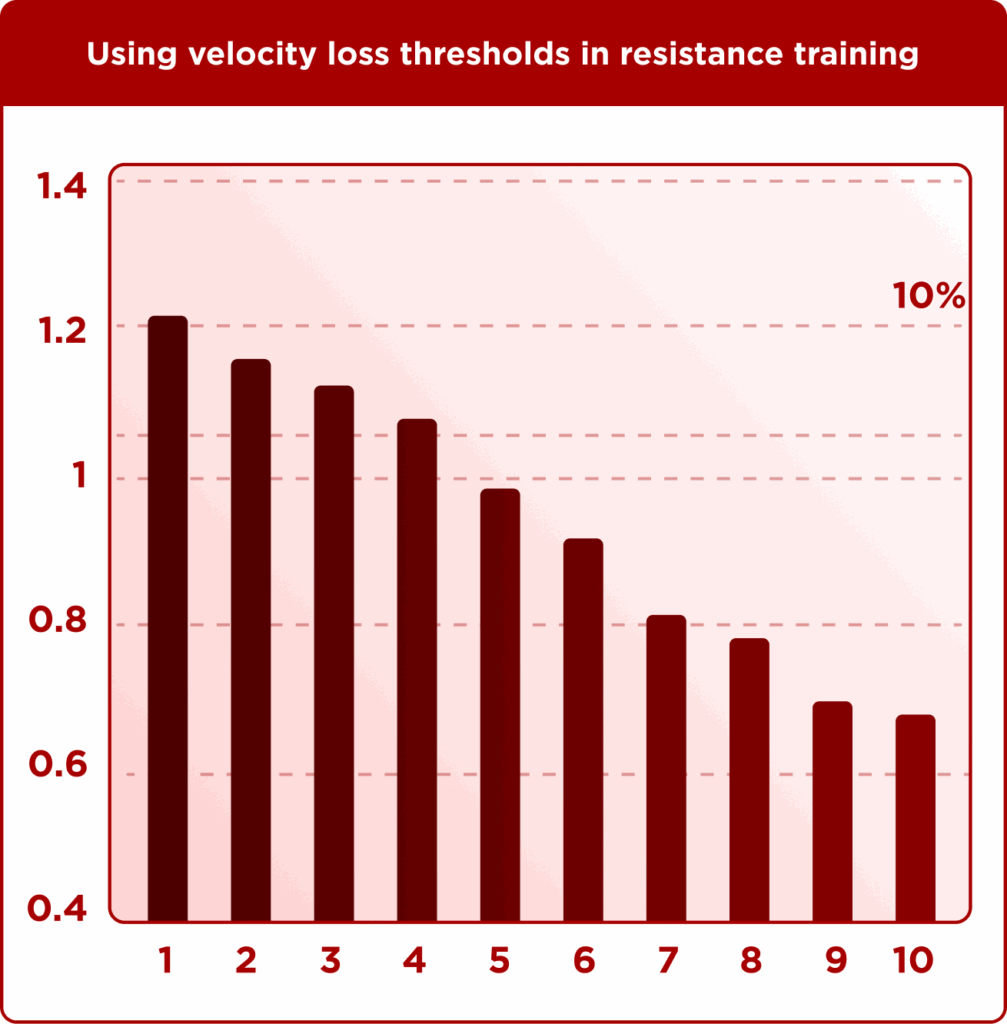
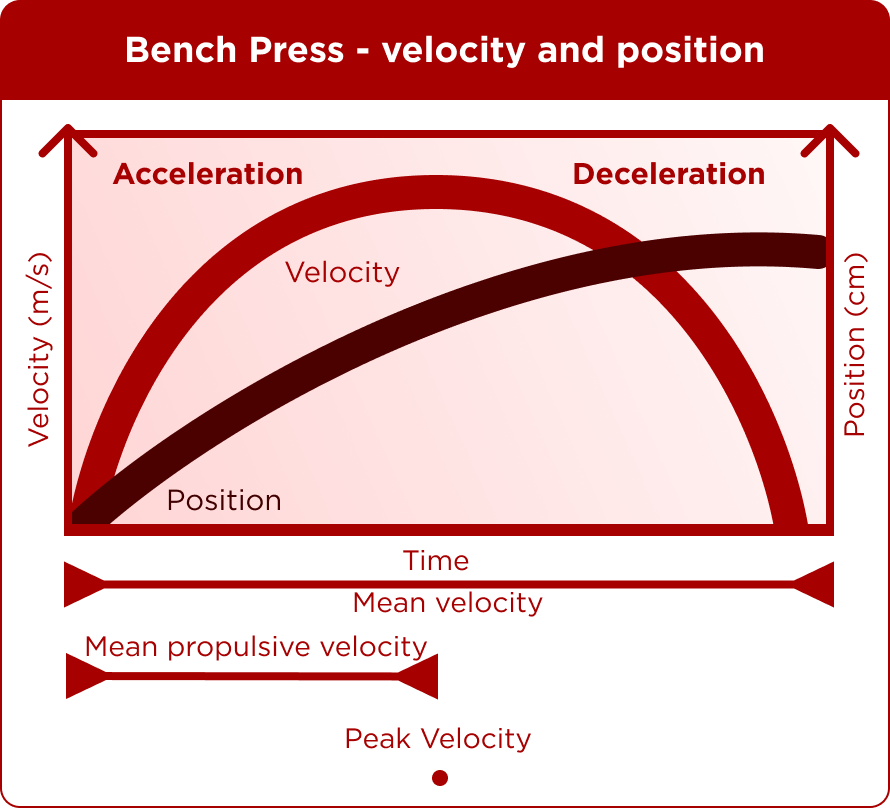
Using velocity seems to be equally effective for testing and training purposes. In testing settings, creating a load – velocity relationship helps coaches to estimate 1RM using various submaximal loads while minimizing fatigue (Weakley, 2021). The most common measured velocity variables are mean and mean propulsive velocity (m/s) which are related to the non-ballistic exercises and peak velocity (m/s) which is used in the ballistic ones. Usage of one or another are highly exercise- and context-dependent.
How to Measure Barbell Velocity?
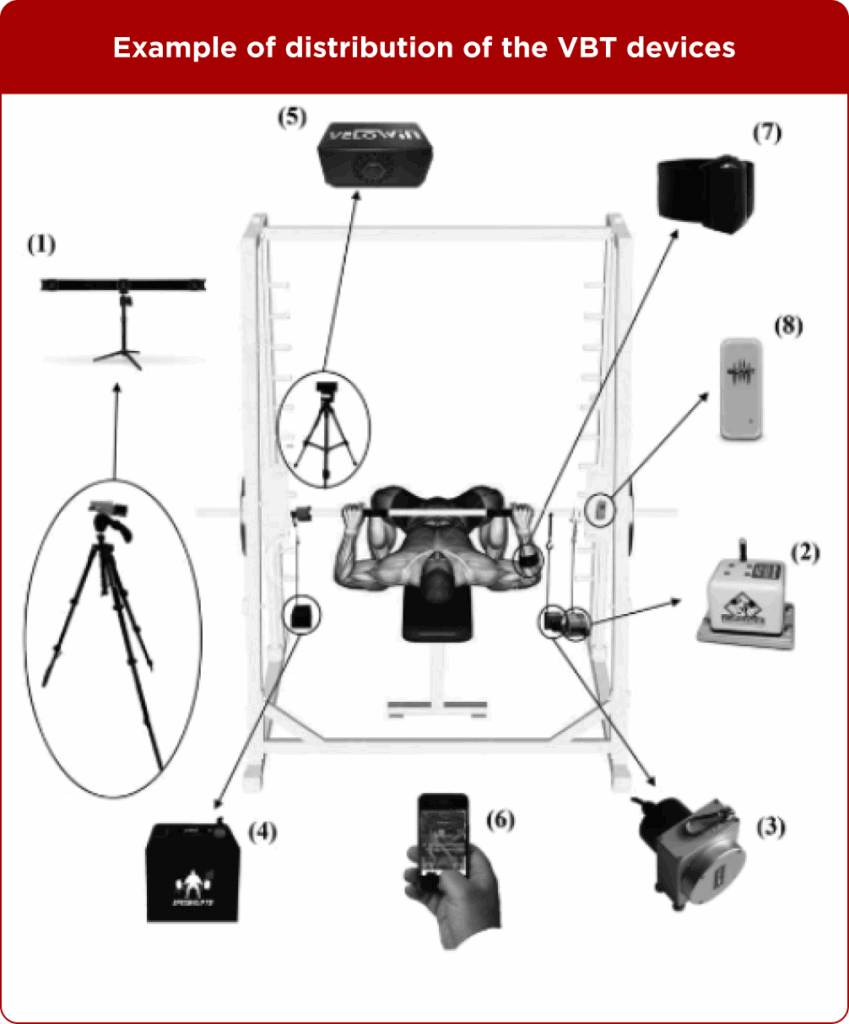
After examining the importance and advantages of VBT, the question arises – how should we measure barbell velocity? There are dozens of different kinds of VBT devices. The main challenge is to differentiate biological variations and the technological inconsistencies among them. The ability of the device to detect true change is affected by its validity and reliability. These abilities are typically quantified by comparing given outputs to a criterion measure. Today, a gold-standard measure of detecting and quantifying movement velocity is 3D high-speed motion capture system. Given the high financial cost and practical limitations in applied sport context, coaches are encouraged to use low-cost VBT devices such as linear position transducers (LPT), inertial measurement units (IMU), mobile applications, optic systems etc. Each device possess advantages and disadvantages, but what is more important is – are they valid and reliable?
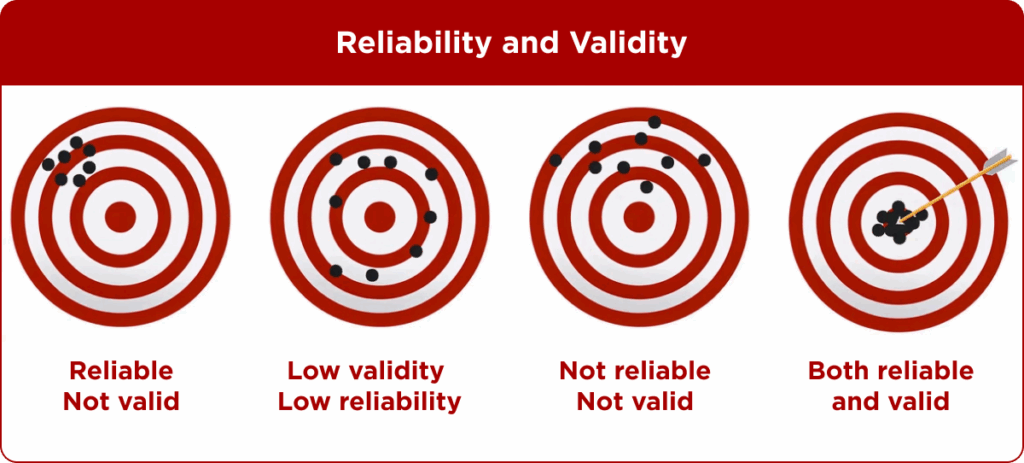
What Is Proposed by Validity and Reliability?
Validity is ability of an instrument to measure what is intended to measure. In sport science settings, validity is usually measured by systematic and random bias, coefficient of variation (CV), standard error of measurement (SEM) and Pearson’s correlation coefficient (r). On the other side, reliability is reproducibility of an instrument on separate occasions usually quantified by intraclass coefficient of correlation (ICC), coefficient of variation (CV), typical error or standard error of measurement (TE/SEM), limits of agreement (LoA) and graphically presented by Bland – Altman’s plot.
How Valid and Reliable VBT Devices Are?
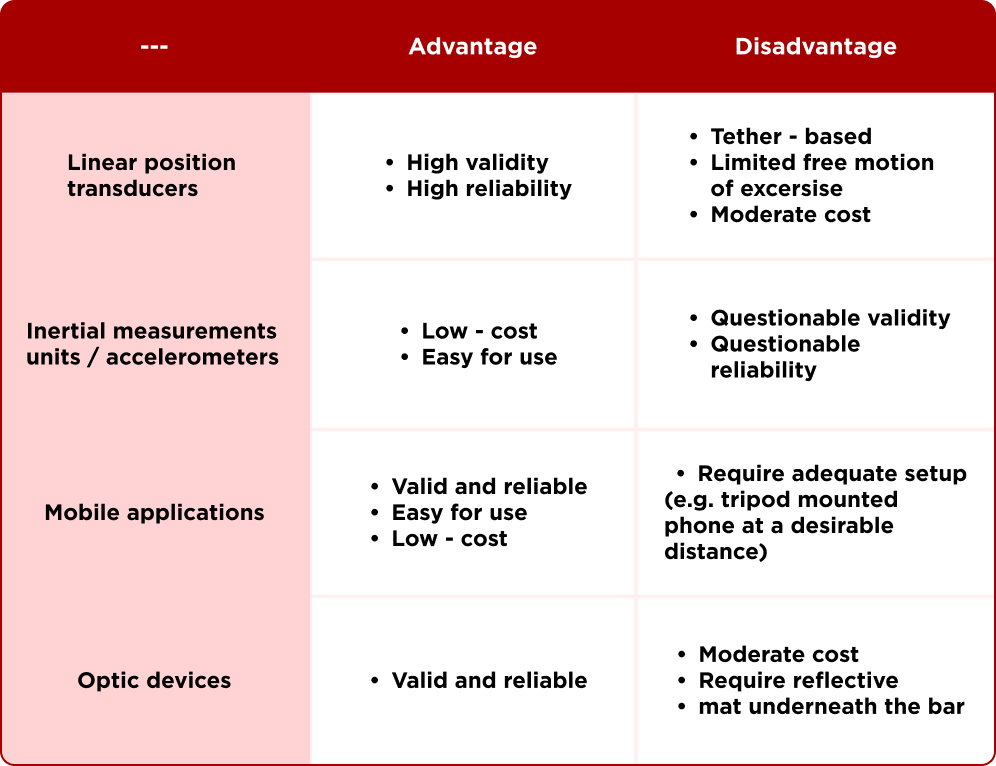
Weakley et al. (2021) conducted systematic review to establish the level of evidence for criterion validity and intra- and inter-device reliability of commercially available VBT devices that monitor kinetic and kinematic outputs such as velocity, force and power. In total, 44 studies were included in this systematic review from which 36 studies assessed validity and 28 of them assessed reliability. What they found was that linear position transducers (LPT) have shown to be the most valid and reliable tools presenting high accuracy of the device to detect true changes, however authors warned practitioners to avoid the interchangeable use of different devices because of the systematic differences of sampling method among them. Inertial measurement units (IMU) or accelerometers have shown to be promise devices, but their accuracy is still very questionable. Of the non-transducer and accelerometer devices, it appears that smart phone applications may be solid alternative method but there is still lack of inter-device relationship. Also, optic laser devices found to be pretty accurate in providing real – time feedback and monitoring in resistance training.
Study Limitations
In the end, several limitations of the review exist. As it is usually said, meta-analysis and systematic reviews are as good as the research papers in them. Firstly, accuracy of these devices has been tested within a limited number of exercises such as squats and bench presses usually done on the Smith machines. What is intended in the future is to include free-weight ballistic exercises such as Olympic weightlifting movements and their derivates. Secondly, not all studies used 3D high-speed motion system as a criterion standard for constructing inferences which keeps us apart from making objective statements about validity and reliability. Finally, using different statistical approaches makes better practical decisions and inferences about the data. Using solely one statistical approach (e.g. correlation) makes it harder to drawn practically meaningful conclusions. That’s why researchers are strongly advised to consider a several analyses, especially magnitude-based approaches, to quantify meaningful differences between devices.
Conclusion and Practical Implications
The current knowledge on validity and reliability of VBT devices pointed that linear position transducers seems to be the most appropriate choice for monitoring and prescribing resistance training in practical settings. Other devices should not be used interchangeably but could be used in providing augmented feedback to raise motivation and competitiveness. Despite limitations of the current review, it seems that the best option for using VBT devices in practice are related to squats, bench presses and deadlifts with limited knowledge for ballistic and weightlifting exercises. Future studies should be directed to the limitations.
References
Dorrell, H. F., Smith, M. F., & Gee, T. I. (2020). Comparison of velocity-based and traditional percentage-based loading methods on maximal strength and power adaptations. The Journal of Strength & Conditioning Research, 34(1), 46-53.
González-Badillo, J. J., & Sánchez-Medina, L. (2010). Movement velocity as a measure of loading intensity in resistance training. International journal of sports medicine, 31(05), 347-352.
González-Badillo, J. J., & Sánchez-Medina, L. (2010). Movement velocity as a measure of loading intensity in resistance training. International journal of sports medicine, 31(05), 347-352.
Perez-Castilla, A., Piepoli, A., Delgado-García, G., Garrido-Blanca, G., & García-Ramos, A. (2019). Reliability and concurrent validity of seven commercially available devices for the assessment of movement velocity at different intensities during the bench press. The Journal of Strength & Conditioning Research, 33(5), 1258-1265.
Rodríguez‐Rosell, D., Pareja‐Blanco, F., Aagaard, P., & González‐Badillo, J. J. (2018). Physiological and methodological aspects of rate of force development assessment in human skeletal muscle. Clinical physiology and functional imaging, 38(5), 743-762.
Suchomel, T. J., Nimphius, S., & Stone, M. H. (2016). The importance of muscular strength in athletic performance. Sports medicine, 46(10), 1419-1449.
Weakley, J., Cowley, N., Schoenfeld, B. J., Read, D. B., Timmins, R. G., Garcia-Ramos, A., & McGuckian, T. B. (2023). The effect of feedback on resistance training performance and adaptations: a systematic review and meta-analysis. Sports Medicine, 53(9), 1789-1803.
Weakley, J., Mann, B., Banyard, H., McLaren, S., Scott, T., & Garcia-Ramos, A. (2021). Velocity-based training: From theory to application. Strength & Conditioning Journal, 43(2), 31-49.
Weakley, J., Morrison, M., García-Ramos, A., Johnston, R., James, L., & Cole, M. H. (2021). The validity and reliability of commercially available resistance training monitoring devices: A systematic review. Sports medicine, 51(3), 443-502.
Read more on this topic here: https://www.ultrax.ai/trainings/how-to-train-rate-of-force-development-in-football/