
Burnout vs. Overtraining Syndrome: The Clinical Difference Coaches Need to Know

In clinical practice, many athletic patients I meet are naturally conscientious across several areas of life. They do not only train hard; they also tend to take work, studies, and other responsibilities seriously, often doing a great deal in all of them at once. When they come to the clinic, they may describe symptoms of […]
Football Has Changed, So Must Our Training

Part 2: From Position-Specific Profiles to Practical Application In the first part of this series, we explored why high-intensity actions in football cannot be reduced to sprint distance, speed zones, or generic GPS thresholds. Modern football intensity is not only about how fast a player runs. It is about what the player does, how the […]
Stress, Sleep, and Performance: The Science-Based Guide to Energy and Recovery

Why We Feel Exhausted in a High-Performance World Humans are the only species in the world that deliberately deprive themselves of sleep. People often think that things such as late-night scrolling, gaming, social media, long night television viewing, and any other extended work-related actions are more important than a biological need. On the other hand, […]
Iron Deficiency in Female Athletes: The Hidden Performance Limiter Coaches Need to Address

Iron deficiency represents one of the most underrecognized performance barriers in female athletics. While coaches optimize training loads, recovery protocols, and tactical preparation, many overlook a physiological constraint affecting up to 60% of their female athletes.[1] In this article, I will examine the prevalence, mechanisms, and practical management strategies for iron deficiency based on my […]
The Heart as the Engine of Endurance

So you decide to take it on a run and your wish is to line up for a 10K. Your success isn’t only determined by the legs, it’s written in the rhythm of the heart. The way the heart beats, adapts, and recovers reflects the entire story of endurance performance. Heart rate (HR) (Figure 1) […]
Hamstring Injuries in Youth Football Players

Causes As young athletes are increasingly exposed to high training volumes and intensities, injury incidence has risen. In some sports, injury rates in youth players have even surpassed those of professionals. Hamstring injuries affect athletes worldwide and account for around 10% of all injuries in field-based sports. Among the most affected are youth football players. […]
The Biomechanics of Deceleration: The Battle of Your Body Against Mass x Velocity
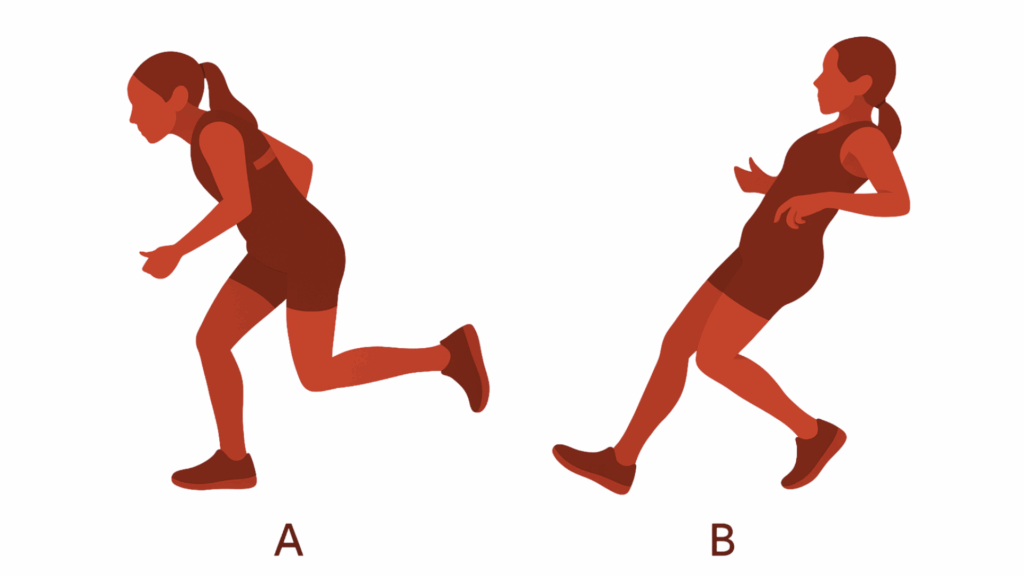
So, you have this athlete who is very fast at accelerating, but when it comes to changing direction or stopping according to the demands of the game, they turn out to be slow and inefficient. Maybe the reason lies in their biomechanical qualities. Deceleration is just as important as acceleration in sports and movement. Whether […]
Sprinting in Football

Introduction To say that performance in football depends on a variety of individual skills and abilities, but also, of course, on the interactions that each player establishes with teammates and opponents, should not, in principle, raise much objection. In fact, technical and tactical abilities are determining factors, but in order to be successful, each player […]
Ultrax: An Integrated Platform for Sports Performance and Organizational Management

The Evolution of Data-Driven Sports Management In recent years, sports organizations have experienced a significant shift in the way performance, training, and athlete health are monitored and managed. This shift has been fueled by the increasing volume and variety of available data, as well as by the growing need for tools that facilitate not only […]
Effects of Strength, Speed and Non-Specific Resistance Training on FVP Profile

Introduction Soccer is a physically demanding sport that requires a combination of aerobic and anaerobic fitness. Soccer players need to sprint, accelerate quickly, and change direction to beat their opponents (Taylor et al., 2004, 2017). High-speed running (HSR) (> 19.8 km/h -1) and sprinting (> 25.1 km/h -1) distance is positively associated with the number […]
